
Case note: Crowley Australia Pty Ltd v Latitude 63 LLC [2026] NSWSC 130
Executive Summary
The Supreme Court of NSW has clarified that an adjudicator is not necessarily required to recuse themselves because of an alleged apprehension of bias, where that adjudicator determines two successive payment disputes between the same parties – even where the first determination is being challenged by one of the parties.
Historically, Authorised Nominating Authorities have tended to have a practice of avoiding appointing the same adjudicator twice between the same parties to steer clear of any perception of bias. This decision suggests that such caution may not always be warranted.
The case also reinforces the high threshold for challenging adjudication determinations. An adjudicator’s determination of earlier payment disputes, or being criticised unilaterally by one party even in court proceedings, is unlikely to be sufficient on its own to show bias or require recusal.
Facts
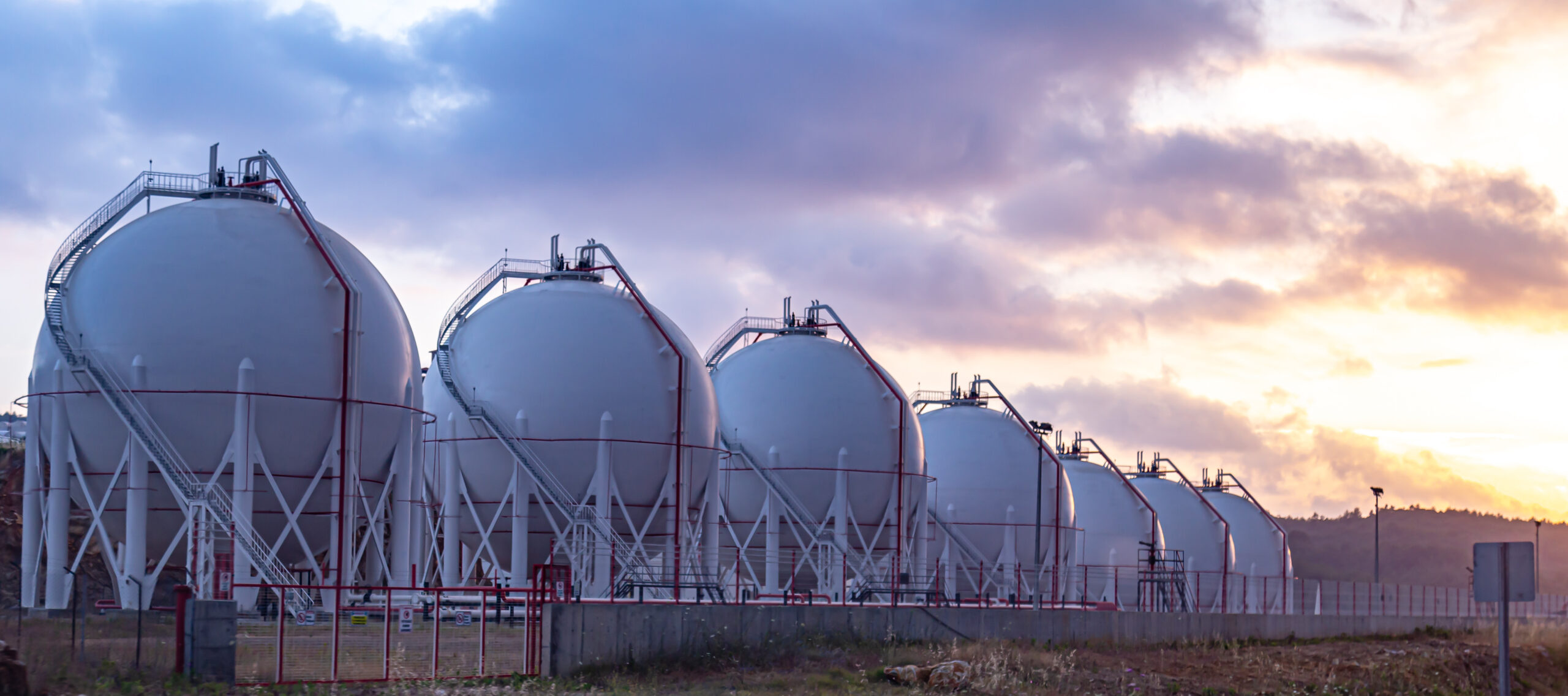
Crowley Australia Pty Ltd (Crowley) engaged Latitude 63 LLC (Latitude) under a contract for construction of 11 military fuel tanks and a pipeline at Darwin Port in the Northern Territory.[1] The Latitude provided two bank guarantees totalling $6.1m as security.
In October 2024, the contract was terminated.
In March 2025, Crowley cashed the bank guarantees.
The first payment dispute then arose for determination. Latitude had made a payment claim, which Crowley did not pay, and therefore Latitude proceeded to make an adjudication application. The adjudicator determined Crowley was liable to pay Latitude AUD$11,594,210.89 and USD$5,871,835.41. Crowley commenced proceedings in the Supreme Court of the Northern Territory challenging that determination.
The second payment dispute arose about the same time as Crowley’s court proceedings. Lateral had issued a further payment claim for $6.1m for the value of the bank guarantees which Crowley had cashed, which Crowley did not pay, and therefore Latitude proceeded to make another adjudication application. The same adjudicator was appointed to determine that dispute, and found Crowley was liable to pay the $6.1m claimed by Latitude.
Crowley brought Court proceedings to challenge the second determination on the basis of an apprehension of bias due to the fact that it had been critical of the adjudicator in the earlier proceedings to challenge the first determination.
Decision
The Court rejected Crowley’s claim of apprehended bias.
Simply being named and criticised in proceedings does not mean an adjudicator lacked impartiality. Being the subject of a judicial review is a routine part of the adjudication process. The Court applied the usual tests about what a fair-minded observer would reasonably apprehend, and found that the adjudicator’s appointment did not fall short of that test. The criticisms originated from Crowley and were matters irrelevant to what the adjudicator had said or done that revealed any predisposition.
The Court contrasted this with Quickway Constructions v Hick [2017] NSWSC 830 where the adjudicator was asked to recuse himself from the second adjudication, and the adjudicator’s own correspondence revealed a personal interest in the potential threat of seeking costs against him.[2] The language used there was considered sufficient to find an apprehension of bias.
Takeaways
The threshold for applying to the Court to quash adjudication determinations based on an apprehension of bias is very high.
An adjudicator will not commit a jurisdictional error by failing to recuse themselves from future appointments merely because their earlier determination is being challenged or where one party has been critical of them. This will, however, likely be different where the adjudicator has themselves said or done something which might give rise to an apprehension of bias to the fair-minder observer.
The conservative practice by Authorised Nomination Authorities in avoiding the appointment of an adjudicator more than once for a dispute between two parties may become less strictly applied.
More Information
For further details on construction law insights and legal case notes, visit Construction Legal Insights.
Download a PDF version of this article here.
[1] Yes, the Supreme Court of New South Wales can have jurisdiction to hear certain matters governed by Northern Territory law due to the cross-vesting legislation under section 9(a) of the Jurisdiction of Courts (Cross-Vesting) Act 1987 (NSW) and s 4(3) of the Jurisdiction of Courts (Cross-Vesting) Act 1987 (NT).
[2] Quickway Constructions v Hick [2017] NSWSC 830.